


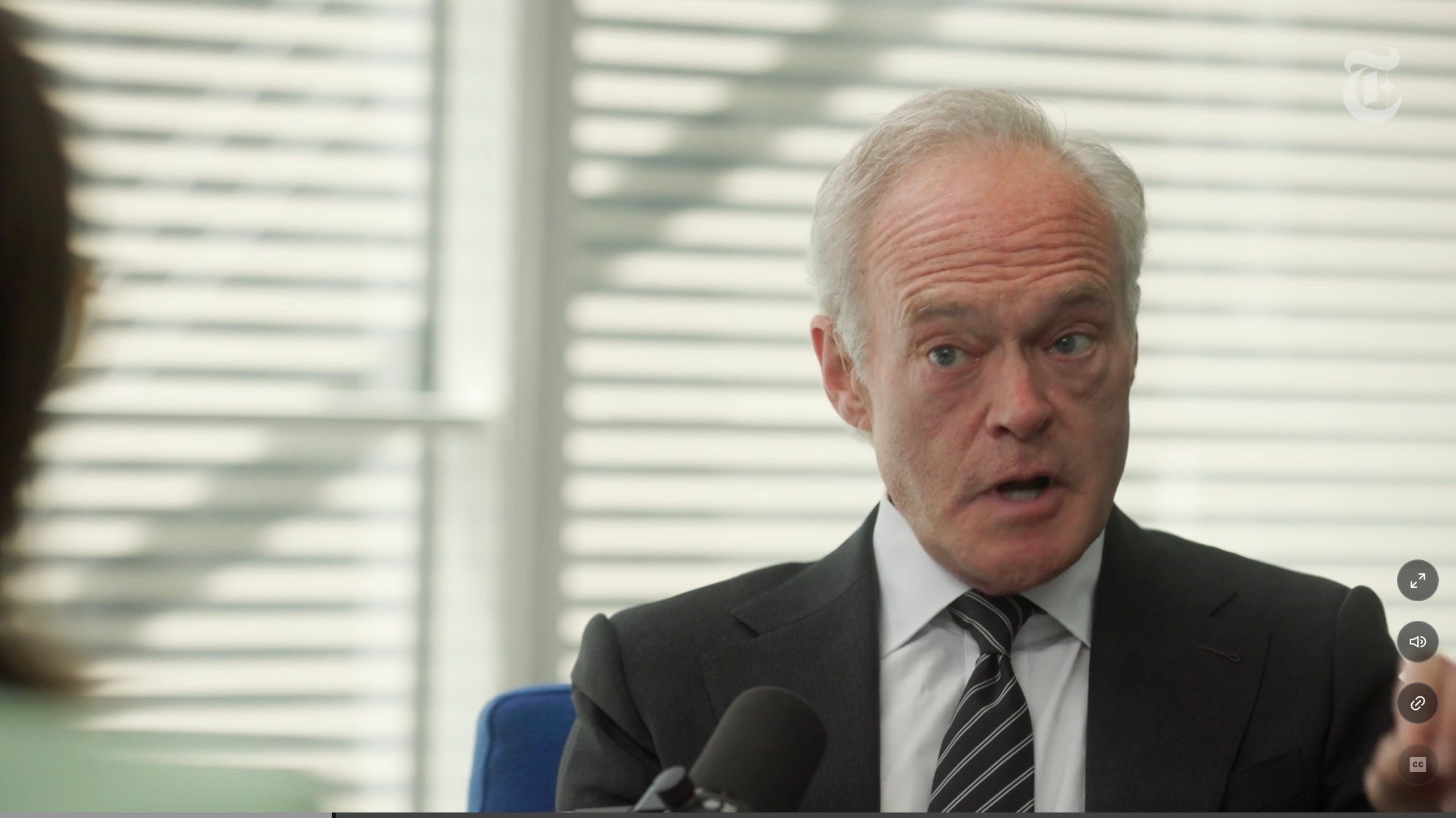
Scott Pelley has been in enough combat zones to know when a building is on fire. Last week, he decided to pull the alarm on his way out the door.
In his first interview since being fired from CBS News, Pelley sat down with Lulu Garcia-Navarro for the New York Times and made a specific allegation that CBS News will now have to answer. The story everyone is telling about his departure is that a veteran correspondent clashed with new management and paid for it with his job. That version is not wrong exactly. It just assumes the firing was the important part.
Pelley is 68 years old. He spent 37 years at CBS News. He covered wars, anchored the Evening News, and survived enough newsroom knife fights to understand how institutions work. Whether he intended to get fired is ultimately unknowable. What seems far more likely is that he understood perfectly well that publicly confronting new leadership could end his career at CBS and decided the confrontation was worth it anyway.
People don’t usually torch 37 years at a place for no reason. They do it when they believe something more important is at stake. The question isn’t whether Scott Pelley got fired. The question is what he thought was worth getting fired over.
His answer is buried in a long, emotional interview. Most of it is subjective testimony. The grief is real. The anger is real. The sense of institutional loss is real. But all of that can be agreed with or dismissed and still leave the central question unresolved.
One part isn’t.
In February, Pelley’s team produced a 60 Minutes story about the ICE protests in Minneapolis. The story had been approved. The deadline had passed. Then Bari Weiss sent an email with notes. Weiss, the former New York Times opinion writer and founder of The Free Press, was brought in by new ownership to remake CBS News. Two of those notes, as Pelley describes them, asked his team to make the protesters look more violent and to describe Renee Good, a woman killed by police, as driving toward the officer who shot her. The video, Pelley says, showed clearly that she was not. He reviewed the footage himself. He refused to make the changes. The story aired. He never heard about it again.
CBS News disputes this account. Their spokesperson says the notes had no political motivation and were purely editorial. That is the response you would expect, and it may be true. But unlike everything else in the interview, this allegation is something you can actually check. Either Weiss’s notes said what Pelley says they said or they didn’t. Either the video showed what Pelley says it showed or it didn’t.
Cecilia Vega has made substantially similar allegations. So has Sharyn Alfonsi. At some point the question stops being whether Scott Pelley is emotional and starts being whether multiple senior journalists are describing the same pattern.
It’s worth noting that Pelley and Weiss are not really fighting from opposite sides of some institutional divide. Both of them believe CBS News matters enough to fight over. Pelley thinks it’s being compromised by the people now running it. Weiss has spent years arguing that newsrooms like CBS had already been compromised long before she arrived. They have different diagnoses and they have landed on each other because of it.
Maybe Pelley is wrong. Maybe this is a culture clash being mistaken for political interference.
But his interview leaves behind one thing that can’t be waved away as nostalgia or wounded pride. A specific allegation about a specific story involving a specific set of edits. If that allegation is true, the fight over the future of CBS News is already settled.
And if Pelley believed that before anyone else did, then his firing wasn’t an act of martyrdom.
It was a trade..
He traded 37 years of institutional standing for the ability to make the allegation in public.
Maybe he’s wrong. Maybe the allegation falls apart. Maybe Bari Weiss is vindicated.
But that’s the transaction he appears to have made.
A veteran reporter looked at what was happening inside CBS News and decided the story was worth more than the job.
That’s what he filed on the way out.