


“I call the shots. He doesn’t call the shots.”
Donald Trump said that to Ed Luce of the Financial Times on Sunday morning. Not to Sean Hannity. Not to a rally crowd in Wisconsin. The Financial Times is not where presidents usually go to reassure supporters.
By Sunday night, it looked less true than it had that morning.
What unfolded over the following 24 hours was a stress test applied simultaneously to three things Trump needs people to believe about him: that he controls events, that he controls his coalition, and that he can control a room. He didn’t pass any of them.
Start with the foreign policy piece. After Iran launched waves of ballistic missiles toward Israel, Trump told Axios reporter Barak Ravid, “I am going to call Netanyahu right now and tell him not to strike back.” Netanyahu struck back anyway. Iran responded to that. Israel responded to Iran. The exchange that Trump said he was going to shut down kept going, and by Sunday evening Trump was on Truth Social urging everyone to stop shooting, in a manner that conjured images of a young Kevin Bacon shouting to rioters in Animal House, “All is well!”
The man who said he calls the shots was reduced to posting about it.
Then came the coalition. Mark Levin, one of the most reliable toadies of orthodox Trumpism, publicly questioned why Trump was “turning” on Israel. Some context on why that matters: Levin is not a skeptic. He is not an opposition voice. He is one of the central figures in the conservative media infrastructure that has defended Trump through impeachments, indictments, and everything in between. When someone in that role starts asking pointed questions rather than providing ready answers, it means the defense is getting harder to make. Across the pro-Israel right more broadly, Trump’s posture toward Netanyahu was suddenly requiring explanation from people who don’t normally explain Trump. They normally defend him.
All this went down just after a stunning interview on Meet the Press aired.
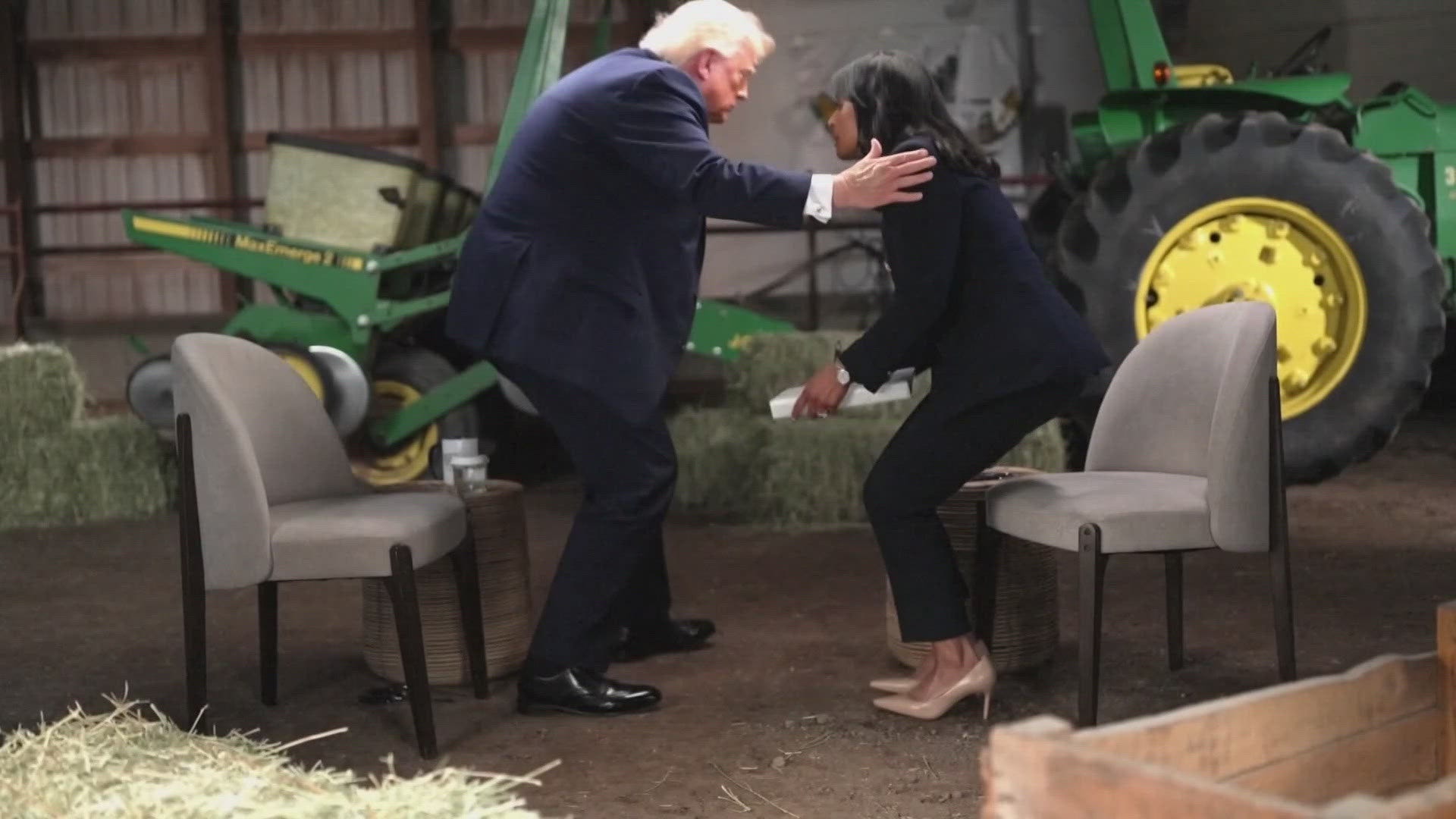
Trump’s political career has been built on turning hostile interviews into demonstrations of dominance. He walks in, controls the temperature, and leaves the interviewer looking smaller than when they started. On Sunday, Kristen Welker pressed him on his years-long claims of election fraud, claims he has never substantiated in a court of law. Asked for evidence, Trump said: “All I have to do is look. And I listen. I listen to people.” That was the evidence. He listens to people. When the interview kept moving in that direction, Trump told Welker the network was “a one-sided crooked network,” pulled his lapel mic off, crushed it underfoot, and walked out.
He didn’t dominate the room. He left it.
None of these stories are really about Iran or election fraud. They're about something more basic. They’re about the specific image of command that has always been his core political asset. The idea that events happen around him rather than to him. The projection that he is in control and unbothered.
Trump has survived scandals, indictments, impeachments, convictions, and polls that were supposed to finish him. He’ll likely survive this too.
But the unusual thing about Sunday is that the question kept getting asked from three different directions at once.
Then, as if to underscore the point, Trump posted this to Truth Social:
“Both sides, Israel and Iran, are looking to do an immediate CEASEFIRE! Final negotiations on ‘Peace’ are proceeding, subject to ignorance or stupidity getting in its way. The Blockade will remain in place, and in full force and effect, until a ‘Final Deal’ is reached. Things should move quickly. Thank you for your attention to this matter!”
The man who said he calls the shots was thanking people for their attention to the matter.
By Sunday night, it was no longer obvious who was calling the shots.